


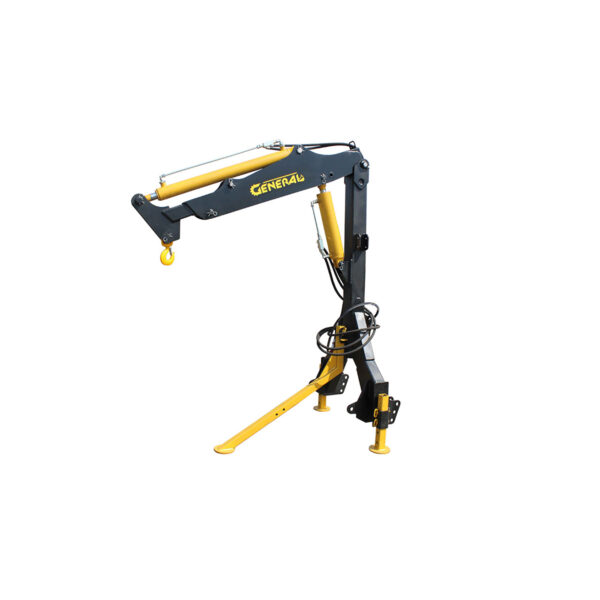
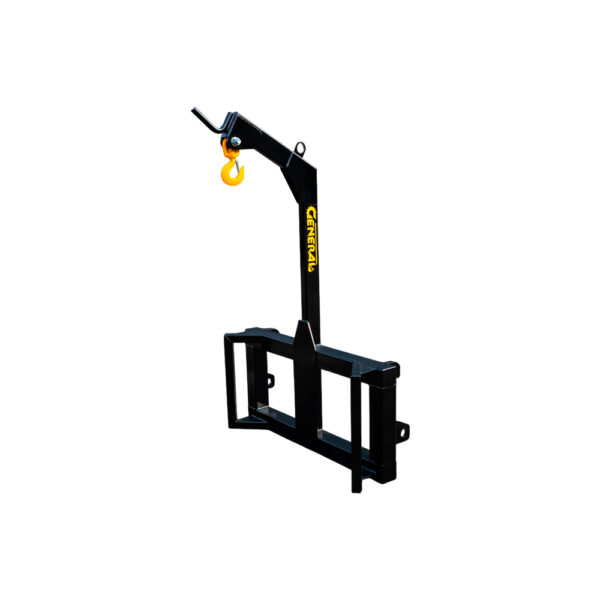
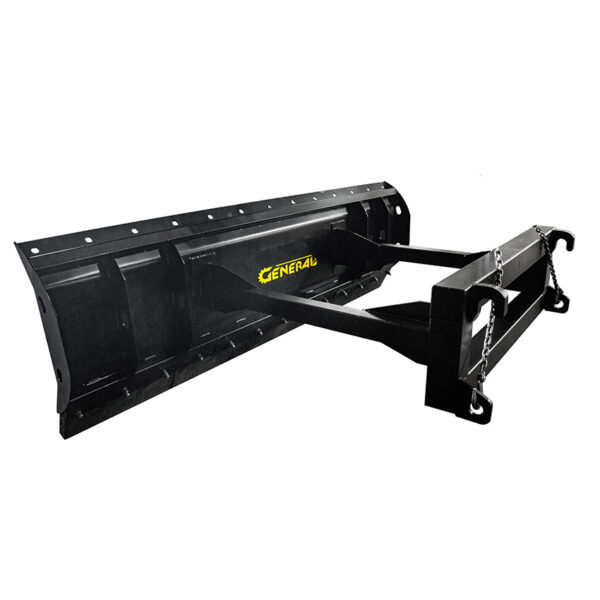


Why should you buy plows?
To ensure a high-quality and abundant harvest, it is necessary to properly prepare the soil before sowing. One of the important stages of traditional tillage is plowing with a plow. The plow loosens the soil to a depth and turns it over, which improves air-water exchange, provides easy access of nutrients to plant roots and eliminates weeds.
Types of plows
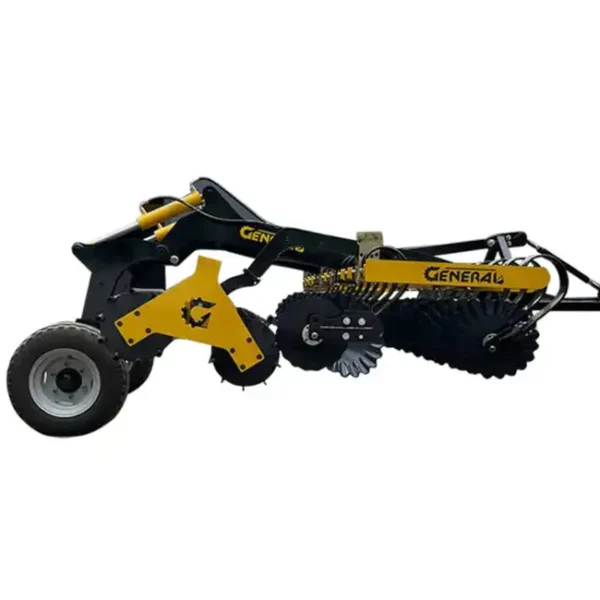
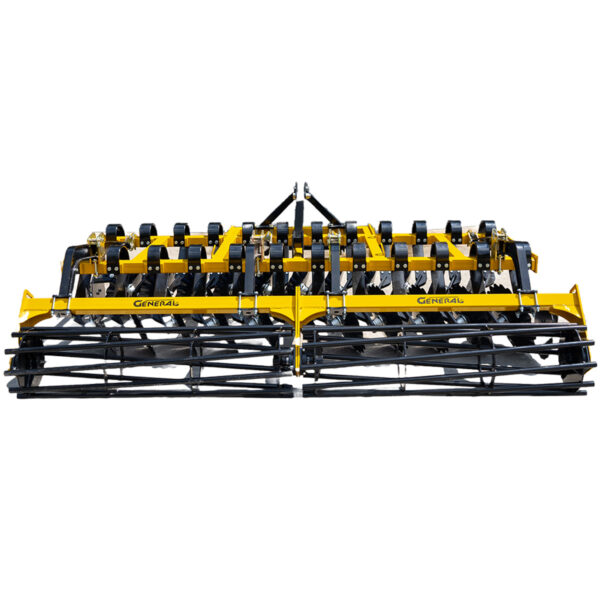
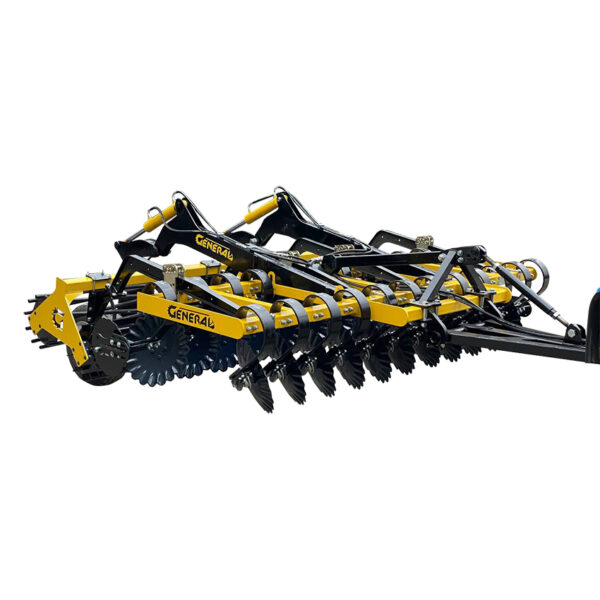
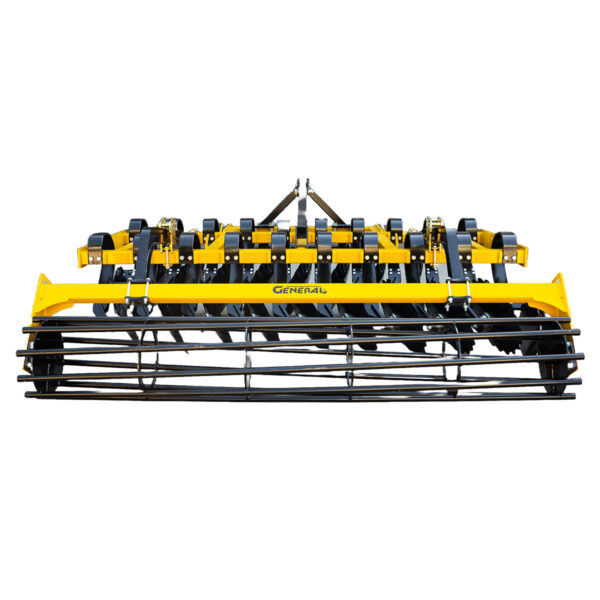
Plows can be mounted, trailed or semi-mounted, depending on the method of aggregation. Mounted plows are attached to the chassis of a tractor or walk-behind tractor (such as reversible, shuttle, push-pull), while trailed plows have their own wheels and support for transportation. The working bodies can be plowshares, discs, knives and their combinations.
Today there is a wide selection of plows on the market, which facilitates the process of selecting the optimal equipment for each enterprise. There are special types of plows, such as garden plows and bush plows, designed for use in vineyards or rocky soils. For basic plowing to a depth of up to 30 cm, general purpose plows are most often used.
Which plow to choose, depending on your needs
Different types of plows have their own characteristics and are designed for different conditions and tasks. Disc plows are effective on heavy soils and soils clogged with plants, while planting plows plow the soil to a depth of 100 cm, improving the water regime and reducing nutrient losses. Using double-share plows, such as reversible plows, helps avoid double ridges or furrows in fields and saves time and fuel.
Choosing the right plow is important for efficient work in the field. When implementing it, various factors are taken into account, such as soil type, working conditions, and land cultivation requirements.