




KUHN on a tractor is
When it comes to agriculture and machinery, tractors are always at the forefront. However, among the variety of terms and incomprehensible abbreviations, such as KUHN, many may have difficulty understanding what is actually hidden behind this mysterious acronym. In this article, we will reveal all the secrets and talk about KUHN on a tractor so that you understand what it is and why it is needed in modern agriculture.
KUHN is a device that is used in agriculture to perform many tasks. The main purpose of KUHN is soil cultivation and its preparation for sowing. KUHN can be used on various types of agricultural machines, but its most common use is on tractors.
How does KUHN work on a tractor?
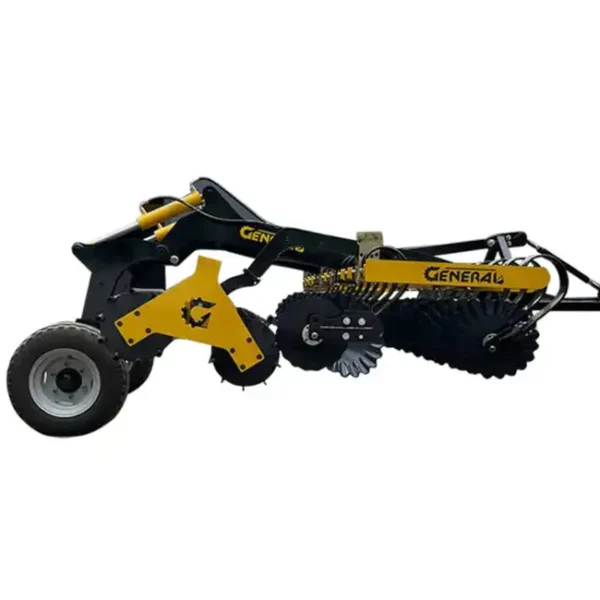
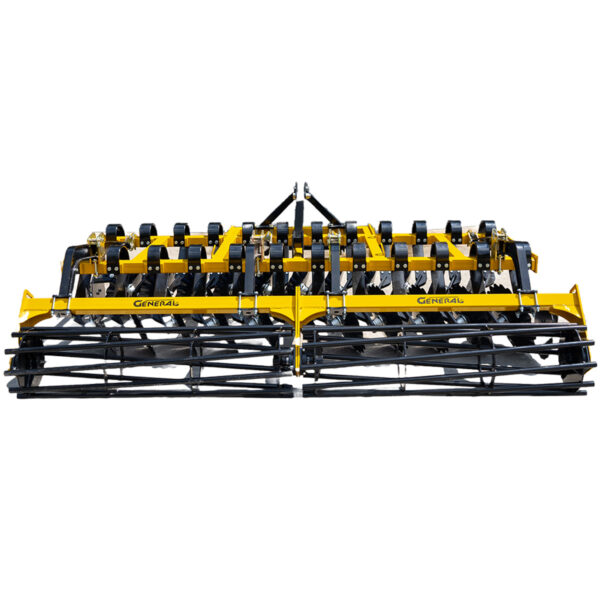
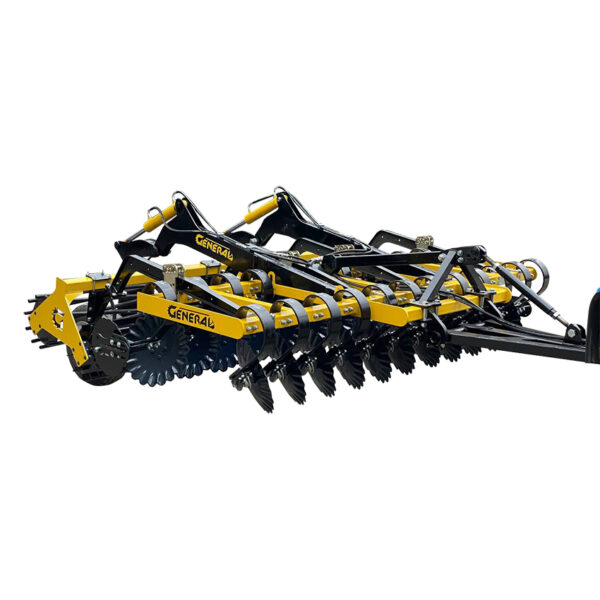
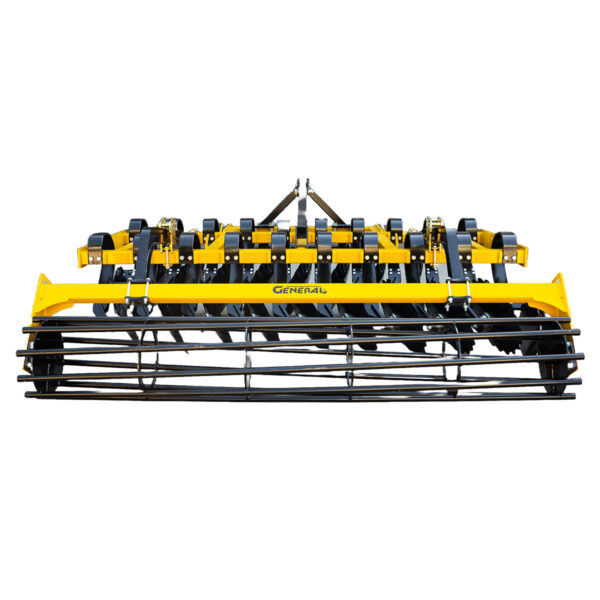
KUN consists of a number of working bodies that are attached to the tractor frame. These working bodies vary depending on the specific KUHN model, but usually they include paws, discs, rings and other elements. During operation, the tractor with KUHN performs several functions:
Soil hilling. KUHN allows you to cultivate the soil between the rows between planting rows of crops. This is especially important in densely planted crops where traditional methods of tilling hard-to-reach areas become ineffective.
Plowing and loosening the soil. KUHN can be used for plowing or loosening the soil before sowing. This improves the structure of the soil, promotes more efficient penetration of moisture and root formation of plants.
Feeding and fertilization. KUHN can apply fertilizers and top dressings, distributing them evenly in the soil. This helps to increase yields and improve the quality of crops.
Benefits of using KUHN on a tractor
The use of KUHN on a tractor provides a number of advantages:
Efficiency. KUHN allows you to reduce the time and effort spent on tilling the soil and preparing it for sowing.
Versatility. KUHN has a variety of functions and can be used for various types of agricultural work.
Fuel economy. The use of KUHN reduces fuel consumption for tillage compared to traditional methods.
Improving crop quality. Thanks to more thorough tillage and the correct application of fertilizers, the crop becomes better.